
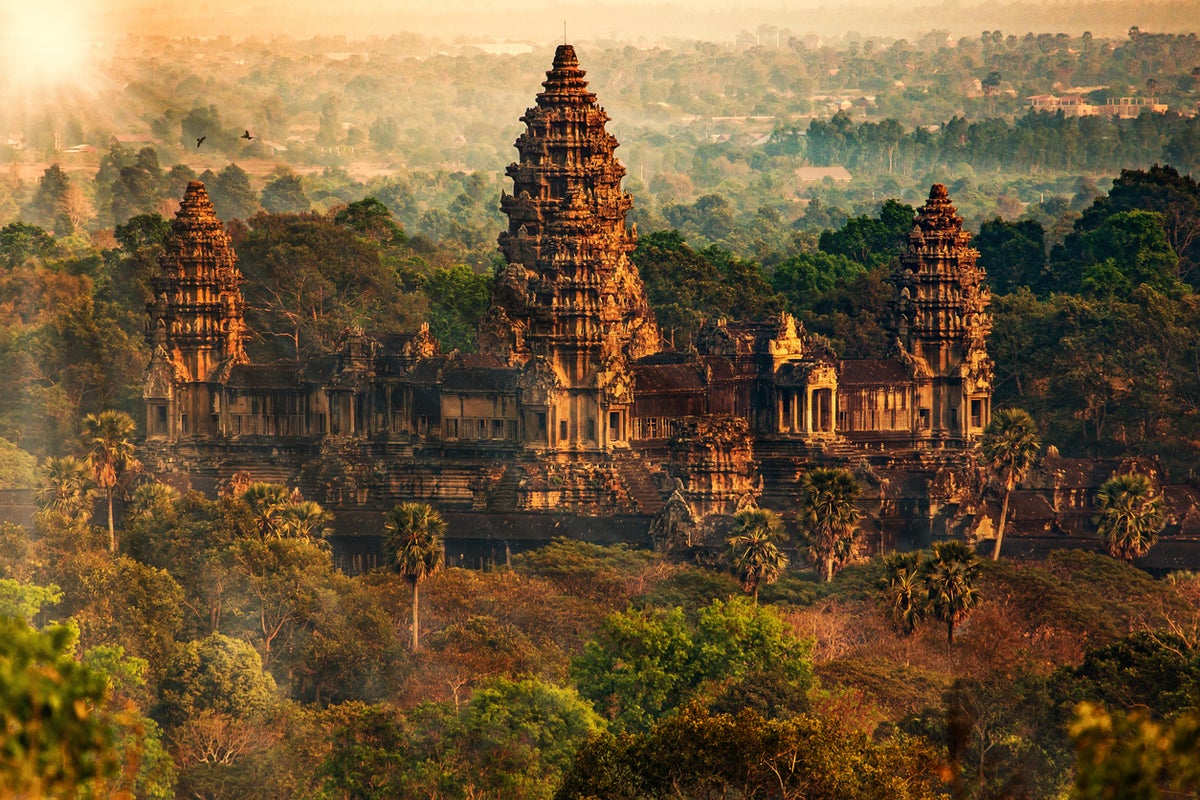
It takes something special to make it onto the list of Unesco's World Heritage Sites. Since the first list was announced in 1978 – among the inaugural crop of 12 was the Galapagos Islands and Yellowstone National Park – it has grown to almost 1,200 entries across the globe.
There are strict conditions to be considered. Sites must “be of outstanding universal value”, and meet one of 10 criteria set out by the UN body. These include representing “a masterpiece of human creative genius”, containing “superlative natural phenomena or areas of exceptional natural beauty and aesthetic importance”, or being “the most important and significant natural habitats for in-situ conservation of biological diversity”.












