
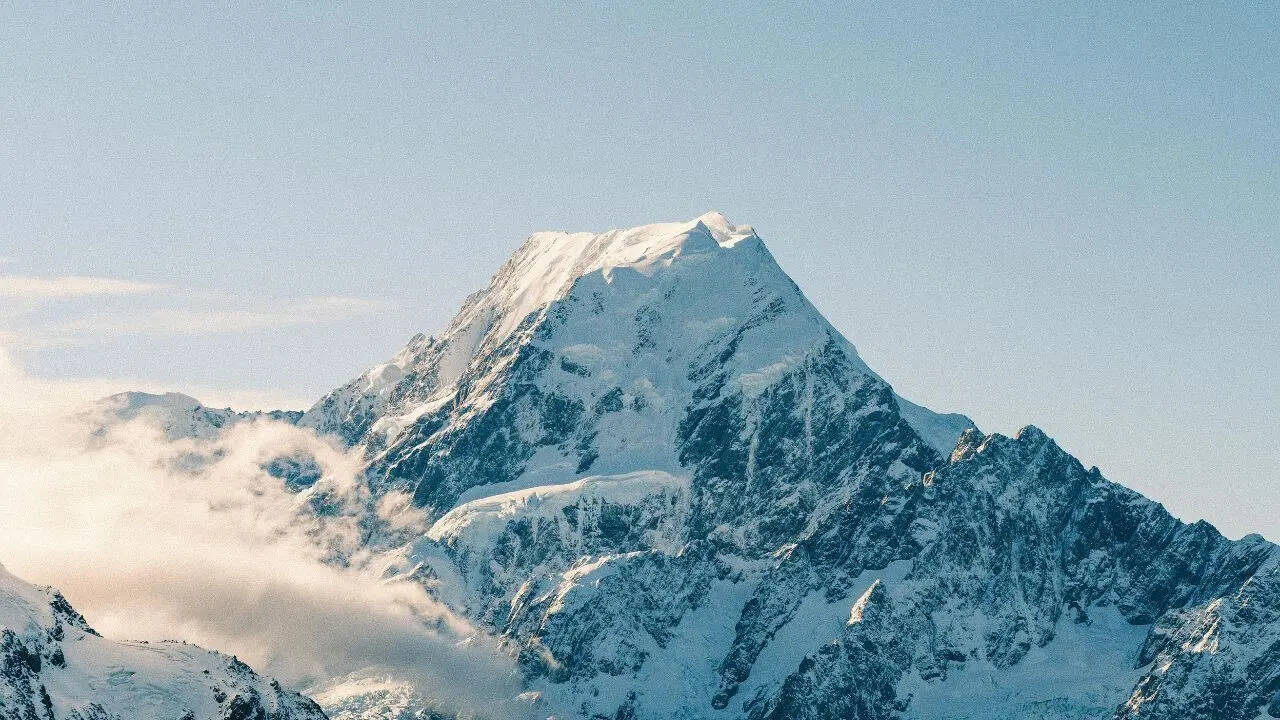
The highest mountains on Earth are often spoken about as measurements first. Heights, rankings, expedition records. Yet the mountains themselves exist in conditions that resist neat comparison. The weather changes by the hour. Borders cut across ridgelines. Entire climbing seasons disappear under snowstorms or political restrictions. Even the measurements have shifted over time as surveying methods improved and satellite technology replaced older calculations.
Most of the world’s highest peaks stand within the Himalayas and the neighbouring Karakoram range, shaped over millions of years by the collision between the Indian and Eurasian tectonic plates. The terrain remains unstable in places. Avalanches alter routes. Glaciers move slowly beneath camps that climbers return to year after year. Some mountains have become globally recognisable names, while others remain known mostly within mountaineering circles despite reaching similar altitudes.