
A persistent myth discourages many families from improving their diet: the belief that healthy food is inherently expensive while junk food is cheap. While it is true that organic berries and imported superfoods carry a premium price tag, the backbone of a nutritious diet is actually composed of some of the most affordable items in the grocery store. If you strip away the marketing hype and focus on nutrient-dense whole foods, you can build a health-conscious pantry that costs less than a diet of processed convenience meals. These ten staples offer the highest nutritional return on investment available right now.

1. Cabbage
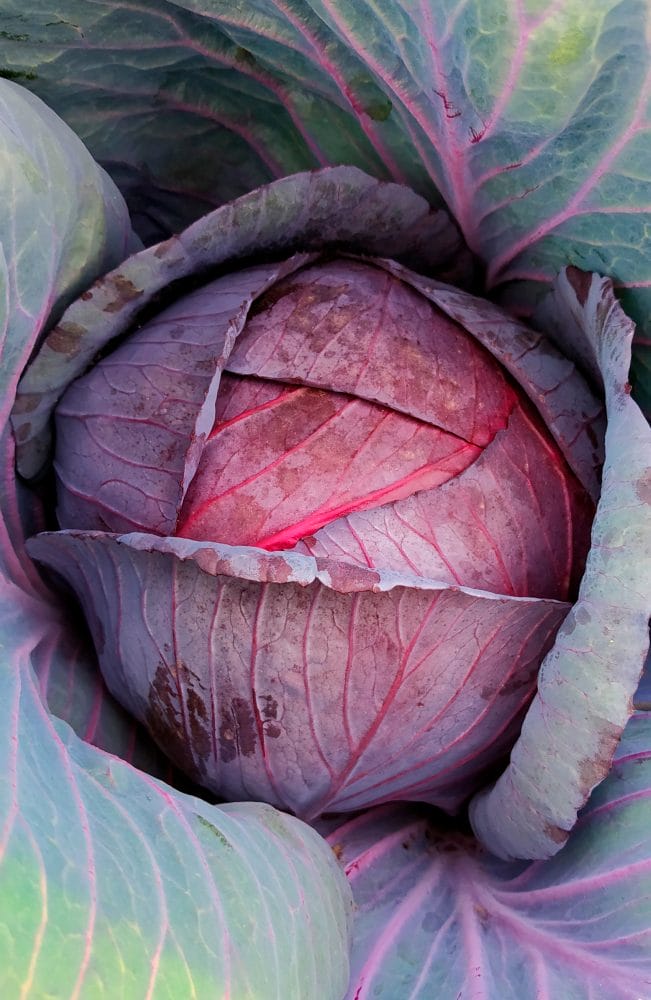
Often overshadowed by kale and spinach, cabbage is a nutritional powerhouse that costs pennies per serving. It is packed with Vitamin C and fiber, and unlike delicate greens, a single head can last two weeks in the refrigerator. It can be roasted, sautéed, or eaten raw in slaws, making it one of the most versatile vegetables for the budget cook.
2. Bananas
Despite inflation, bananas remain one of the cheapest fruits by weight, often selling for under sixty cents a pound. They come with their own biodegradable packaging and provide essential potassium and energy. They are the perfect grab-and-go snack that requires zero preparation and costs less than a candy bar.
3. Dried Lentils
Lentils are the ultimate fast food of the legume world. Unlike beans, they do not require soaking and cook in under thirty minutes. A one-pound bag costs less than two dollars and provides a massive amount of plant-based protein and iron. They are perfect for stretching meat dishes or standing alone as a hearty soup.
4. Eggs
After the extreme price volatility of recent years, egg prices have largely stabilized. They remain the gold standard for affordable protein. Two eggs provide a complete amino acid profile for a fraction of the cost of beef or chicken. They are arguably the most cost-effective breakfast option in the entire store.
5. Canned Sardines

For those seeking Omega-3 fatty acids without the high price of fresh salmon, sardines are the answer. They are sustainable, low in mercury, and shelf-stable. A tin often costs less than two dollars and provides a potent dose of calcium and healthy fats.
6. Frozen Spinach
Fresh spinach wilts and rots within days, leading to waste. Frozen spinach is harvested at peak nutrient density and flash-frozen. It is often cheaper per pound than fresh and is pre-wilted, meaning you get far more actual vegetable volume in a bag. It is easily hidden in smoothies, pasta sauces, and casseroles.
7. Rolled Oats
Skip the sugary boxed cereals and head to the bottom shelf for a canister of plain rolled oats. They are incredibly cheap, heart-healthy, and filling. You can control the sugar content yourself by adding fruit or a touch of honey, avoiding the processed sugars found in instant packets.
8. Brown Rice
While white rice is cheap, brown rice offers significantly more fiber and nutrients for only a few cents more per serving. Buying it in bulk bags rather than small boxes drops the price drastically. It serves as a dense, energetic base for almost any meal.
9. Whole Carrots
Avoid the “baby carrots,” which are processed and more expensive. Buying a five-pound bag of whole, unpeeled carrots is one of the cheapest produce purchases you can make. They are sweeter and last longer than the cut versions. A quick peel and chop takes minutes but saves significant money.
10. Peanut Butter
Assuming no allergies, natural peanut butter is a dense source of healthy fats and protein. It is shelf-stable and requires no cooking. When paired with apples or whole-grain bread, it creates a balanced meal for under a dollar.
Healthy Eating Doesn’t Have to Break the Bank
The idea that nutritious food is out of reach for budget-conscious families simply doesn’t hold up under scrutiny. As this list shows, some of the most affordable items in the grocery store—like cabbage, oats, and lentils—are also among the most nutrient-dense. By focusing on whole, minimally processed staples, you can stretch your grocery dollars while fueling your body with what it truly needs. The key is to shop smart, plan meals around these versatile ingredients, and resist the marketing hype that equates health with high cost. With a little strategy, eating well on a budget isn’t just possible—it’s deliciously doable.
What to Read Next
5 Budget Friendly Healthy Meals
Are Discounted Grocery Items Really Healthier Buys?
8 Signs Your Healthy & Grocery List Is Actually Spiking Your Blood Pressure
The Resolution Tax & Why Healthy Groceries Spike in Price Every January
Stop Buying These 5 Healthy Foods If You Really Want to Lose Weight
The post 10 Health Staples That Are Surprisingly Cheap if You Buy Them This Week appeared first on Grocery Coupon Guide.