Get all your news in one place.
100’s of premium titles.
One app.
Start reading
Budget and the Bees
Budget and the Bees
Latrice Perez

10 Forgotten Things From the ’60s That Deserve a Comeback

Things from the 60s
Image source: shutterstock.com

The 1960s were undeniably a decade of massive change, turbulence, and revolution. However, amidst the cultural shifts, there was a distinctive style of living that prioritized connection and quality. While we might not want to return to everything from that era, certain habits and designs possess a timeless appeal that we have sadly lost.

Furthermore, looking back isn’t just about nostalgia; it is about recognizing what worked. In our fast-paced, digital world, we often trade convenience for connection. Consequently, bringing back a few mid-century staples could actually solve some distinctively modern problems. Here are ten things from the 1960s that we should seriously consider reviving.

The Conversation Pit

Architects in the ’60s understood something we have forgotten: the design of a room dictates how we interact. By sinking a section of the living room floor and filling it with comfortable seating, the conversation pit created a dedicated space for face-to-face connection. Unlike modern living rooms centered around a massive television, these spaces encouraged people to look at each other. Therefore, bringing them back could be the antidote to our screen-obsessed isolation.

The Milkman Model

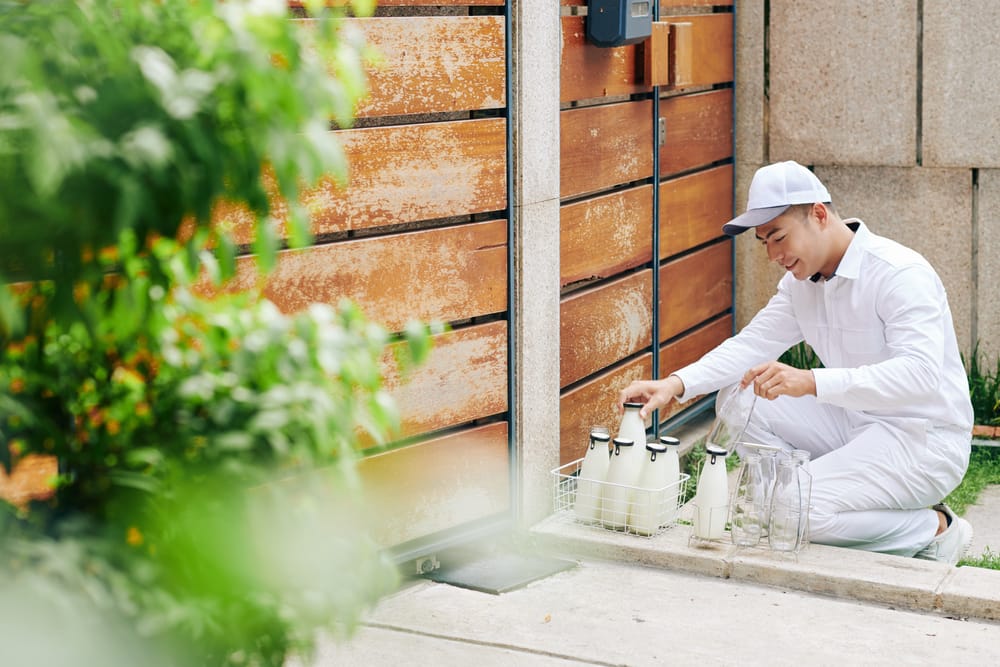
Sustainability is a hot topic today, yet we drifted away from one of the most eco-friendly delivery systems ever invented. The milkman didn’t just deliver dairy; he utilized a reusable glass bottle system that generated zero waste. Instead of filling landfills with plastic jugs, we simply washed the bottles and sent them back. Moreover, the return of local, door-to-door delivery would support regional farmers and reduce our carbon footprint.

Repair Culture

If a toaster broke in 1965, you fixed it. Conversely, if a toaster breaks today, you throw it away and buy a new one for twenty dollars. Manufacturers in the ’60s built items to last, and consumers took pride in maintaining them. Reviving this “fix-it” mindset would save us money and significantly reduce the mountains of e-waste we produce annually.

Dressing Up for Travel

Flying used to be an occasion. People wore their Sunday best, treating the journey with a sense of dignity and excitement. Currently, air travel feels more like a cattle drive, with passengers wearing pajamas and flip-flops. Although comfort is important, reclaiming a bit of that sartorial effort might restore a sense of civility and respect to the travel experience.

Unplanned Drop-Ins

Today, showing up at a friend’s house without a text confirmation feels intrusive. However, in the ’60s, an open-door policy was the norm. Neighbors stopped by for coffee, and kids roamed freely between yards. This spontaneity built tight-knit communities where people actually knew who lived next door. As a result, people felt less lonely and more supported.

Cash Budgeting

Credit cards existed, but they weren’t the financial shackle they are today. Most families operated on a cash basis, often using the envelope system to allocate funds for groceries, gas, and rent. Because you physically handed over money, you felt the weight of every purchase. Returning to this tangible way of spending could help curb the modern addiction to debt.

Analog Privacy

In the ’60s, you could leave your house and truly disappear. No one could track your GPS location, read your texts, or see what you were buying in real-time. That level of anonymity feels like a superpower now. While we cannot delete the internet, carving out periods of analog privacy where we disconnect completely is essential for mental health.

The Sunday Slowdown

Blue laws often kept stores closed on Sundays, forcing a societal pause. Consequently, families spent the day together, rested, or pursued hobbies. Now, Sunday is just another day to run errands and work. Reclaiming one day a week for genuine rest would prevent the burnout that plagues so many modern workers.

Real Food Potlucks

Dinner parties in the ’60s weren’t about ordering takeout; they were about home-cooked casseroles and gelatin molds. Even if the food was questionable by today’s standards, the effort was genuine. Hosting a potluck requires vulnerability and effort. Therefore, it creates a bond that splitting a restaurant bill simply cannot match.

Handwritten Letters

Long-distance communication in the ’60s meant sitting down with a pen and paper. Unlike a hastily typed email or a fleeting text, a letter required thought and time. Receiving one in the mail was a tangible sign that someone cared. Reviving this art form would add a layer of intimacy to our relationships that digital communication lacks.

Which of these trends would you most like to see return? Or is there something else from the past you miss dearly? Tell us in the comments below.

What to Read Next…

The post 10 Forgotten Things From the ’60s That Deserve a Comeback appeared first on Budget and the Bees.

Sign up to read this article
Read news from 100’s of titles, curated specifically for you.
Already a member? Sign in here
Related Stories
Top stories on inkl right now
One subscription that gives you access to news from hundreds of sites
Already a member? Sign in here
Our Picks
Fourteen days free
Download the app
One app. One membership.
100+ trusted global sources.