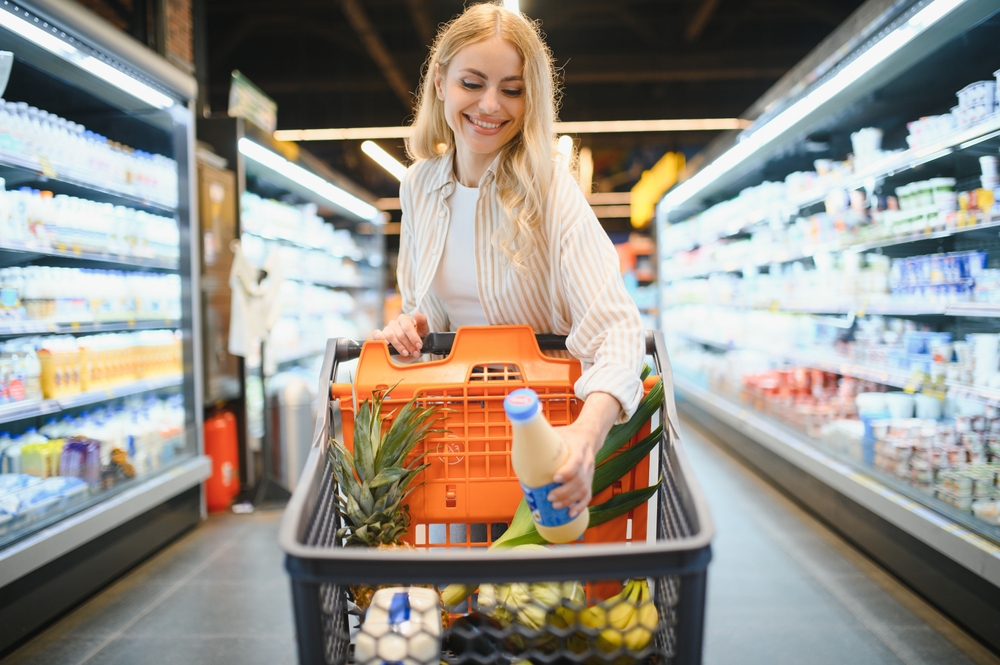
Remember when you could grab a dozen eggs without checking your bank account first? Those days feel like ancient history. Food prices have jumped 30% since early 2020, turning everyday staples into budget-busting purchases. What used to be simple grocery runs now require careful planning and tough choices. The combination of supply chain chaos, disease outbreaks, climate issues, and rising production costs has transformed affordable basics into premium items that make you think twice before tossing them in your cart.
1. Eggs
Eggs used to be the ultimate budget protein. Not anymore. The average price of Grade A large eggs soared from $1.33 per dozen in mid-2020 to a staggering $6.23 in March 2025—a 368% increase. Bird flu outbreaks hit egg-laying hens particularly hard, with over 75% of affected birds being layers rather than meat chickens. The virus forced farmers to cull entire flocks, creating massive shortages. Even though prices have dropped from their peak, they’re still 146% higher than pre-pandemic levels. Some stores now limit how many cartons you can buy, and finding eggs in stock between shipments has become a challenge.
2. Beef
Beef prices have been climbing steadily for five years straight. Ground beef has exploded by 63% since early 2020, hitting $6.32 per pound. Beef and veal prices overall jumped 14.7% year-over-year as of September 2025. The U.S. cattle herd has shrunk to a 64-year low due to drought, high grain prices, and rising interest rates, which have pushed many ranchers out of business. Despite Americans complaining about the cost, demand remains strong. People gripe and moan but don’t give up their burgers and steaks easily, which keeps prices elevated even as supply tightens.
3. Coffee
Your morning cup of coffee costs significantly more than it used to. The price of roasted coffee has spiked 46% since January 2020, with two major price surges hitting consumers hard. Global coffee bean prices have been incredibly volatile, driven by droughts, bad harvests, and market speculation. Arabica coffee futures exploded by 300% over the same period, though retail prices haven’t risen quite as dramatically. Still, that daily coffee habit now takes a bigger bite out of your budget than it did just a few years ago.
4. Chicken
While chicken prices haven’t skyrocketed like beef, they’ve still crept up steadily. Poultry prices increased 1.4% year-over-year as of September 2025. Bird flu affected broiler chickens, too, but not nearly as severely as it did egg-laying hens. Only 9% of birds affected by the outbreak were broilers. Their shorter life cycle—just two months from hatch to market—means farmers can replace lost flocks faster. But production costs for feed, labor, and transportation have all increased, pushing chicken prices higher than the bargain protein it once was.
5. Dairy Products
Milk, cheese, and butter prices surged 22% during the high-inflation years of 2020 to 2022 and have remained at those elevated levels. The dairy category saw a 0.7% year-over-year increase as of September 2025. Rising feed costs, labor shortages, and increased energy expenses all contributed to higher production costs. Even though dairy prices have plateaued recently, they remain significantly more expensive than before the pandemic. That gallon of milk that used to be a no-brainer purchase now requires budget consideration.
6. Fresh Vegetables
Fresh vegetable prices have been on a roller coaster ride. Extreme weather in major growing regions like California and Florida damaged crops and reduced yields. Unfavorable growing conditions affected key crops, including lettuce, onions, carrots, and tomatoes. While prices fluctuated throughout 2025—falling in some months and rising in others—they increased 2.8% year-over-year as of September 2025. The unpredictability makes meal planning harder when you can’t count on affordable produce.
7. Sugar and Sweets
Prices for sugar and sweets jumped 5.3% year-over-year as of August 2025. The category includes candy, chocolate, and chewing gum, with chocolate products seeing particularly steep increases. Global cocoa prices hit record highs in 2024, making chocolate more expensive to produce. That candy bar or bag of chocolate chips you used to grab without thinking now costs noticeably more. The predicted 4.9% increase in 2025 means sweet treats will continue to feel less affordable.
8. Pork
Pork prices rose 1.6% year-over-year as of September 2025. While not as dramatic as beef, the steady increase adds up. Rising feed costs, labor expenses, and transportation fees all contributed to higher prices. Pork used to be the affordable alternative to beef, but that gap has narrowed. Bacon, ham, and pork chops all cost more than they did a few years ago, making it harder to find budget-friendly protein options.
9. Baby Food and Formula
Baby formula prices spiked dramatically in 2022 and 2023 amid severe shortages that left parents desperate. While prices have stabilized somewhat, they remain elevated with a 0.6% year-over-year increase as of September 2025. The shortage put enormous pressure on families with young children who had no choice but to pay whatever it took. Many consumers never noticed this crisis, but for parents of infants, it was devastating.
10. Nonalcoholic Beverages
Prices for nonalcoholic beverages increased 4.6% year-over-year as of August 2025, driven partly by higher global coffee prices affecting the category. Juices and other drinks saw a 3.1% year-over-year increase. Production costs for bottling, transportation, and ingredients all rose. That morning orange juice or afternoon soda now costs more, adding to the overall grocery bill in ways that might not seem obvious until you check your receipt.
When Your Grocery Budget Feels the Squeeze
Food prices aren’t just numbers on a chart. They represent real hardship for people who aren’t wealthy. When staples become luxuries, families make tough compromises about what goes on the table. The 30% increase in food-at-home prices since early 2020 has fundamentally changed how Americans shop and eat. While some prices may eventually stabilize or even drop if supply chains recover and disease outbreaks subside, many of these increases appear permanent. Understanding why these foods became expensive doesn’t make them more affordable, but it helps explain why your grocery bill keeps climbing despite your best efforts to save.
Which foods have hit your budget the hardest, and what changes have you made to your shopping habits to cope with rising prices?
What to Read Next…
- 8 Restaurant Foods That Used to Be Cheap Now They’re Luxury Items
- 15 Shocking Grocery Price Comparisons That Will Change How You Shop Forever
- The 6 Most Overpriced Grocery Items You’re Still Buying and What to Get Instead
- Why Eating Healthy Is Starting to Feel Like a Luxury
- 10 Former Essentials Now Considered Luxury Purchases
The post 10 Foods That Used to Be Cheap But Now Feel Like Luxuries appeared first on Grocery Coupon Guide.