
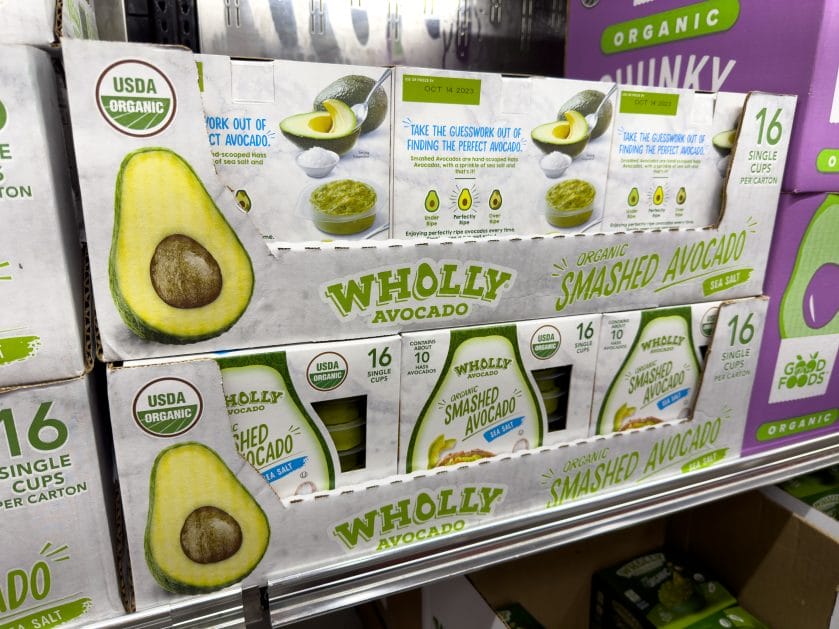
We’ve all been conditioned to think “Family Pack” is synonymous with “Better Value.” It’s a classic grocery store mind game. While that logic holds up for non-perishables like toilet paper or dry beans, it’s a trap when it comes to fresh food. For these ten specific categories, that bulk discount is usually a mirage. The reality is that the product will likely spoil, go stale, or lose its kick long before your household can actually finish it. In the end, you aren’t really saving money.
1. Large Jugs of Cooking Oil
Unless you run a deep fryer daily, buying a gallon of vegetable or olive oil is a mistake. Oils are fats, and fats oxidize when exposed to air. A large jug that sits in a pantry for six months will turn rancid, developing a metallic, off-putting flavor that ruins your cooking. It is smarter to buy smaller bottles that you finish within two months to ensure freshness.
2. Giant Bags of Brown Rice
White rice lasts indefinitely, but brown rice contains natural oils in the bran layer. Like cooking oil, these oils go rancid relatively quickly—often within six months. A twenty-pound bag of brown rice is a ticking time bomb. Unless you eat it three times a day, the bottom half of the bag will likely spoil before you reach it.
3. Spices in Bulk Containers
Spices lose their potency the moment they are ground. A massive container of ground cinnamon or cumin might cost less per ounce, but after six months, it becomes essentially colored sawdust with no flavor. Professional chefs buy small quantities frequently to maximize flavor impact.
4. Family Packs of Avocados
Bagged avocados are enticing, but they ripen simultaneously. Unless you plan to make a gallon of guacamole for a party, you will end up with five avocados that are rock hard on Tuesday and five that are mushy on Friday. Buying loose allows you to pick varying stages of ripeness.
5. Produce “Party Trays”
The pre-cut vegetable trays sold in the produce section are notoriously expensive and perishable. The carrots and celery dry out and turn white (oxidize) much faster than whole vegetables. You pay a premium for a product that has a shelf life measured in hours, not days.
6. Bakery Bread Multipacks
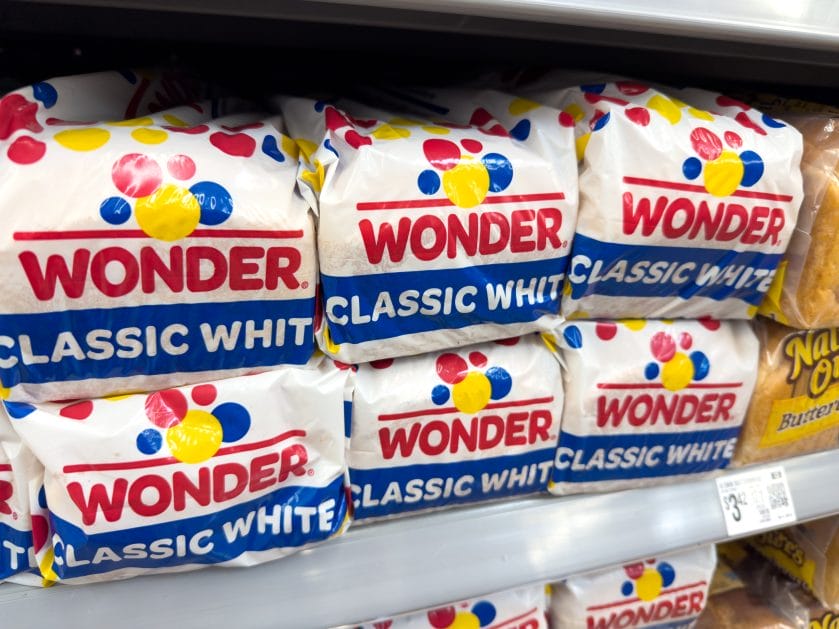
Buying two loaves of bread at Costco seems efficient until you realize bread molds quickly in a home kitchen. Unless you possess a large freezer and the discipline to use it immediately, the second loaf often becomes a science experiment before you finish the first.
7. Huge Tubs of Hummus
Hummus is preservative-light and prone to bacterial growth once opened. A family-sized tub often develops a sour taste within a week of opening. It is often cheaper and safer to buy smaller containers or make it yourself from chickpeas.
8. Nuts and Seeds
Like brown rice, nuts contain high amounts of oil. A three-pound bag of walnuts or pecans will turn rancid if stored at room temperature for too long. If you buy bulk nuts, they must live in the freezer, or you risk ruining your holiday baking with bitter nuts.
9. Cereal “Mega” Boxes
Once the inner bag is opened, the clock starts ticking on stale cereal. In humid climates, a massive bag of cornflakes will lose its crunch long before the bottom is reached. Two smaller boxes keep the second half of your purchase fresh until you are ready to open it.
10. Salad Greens
We have covered salad kits, but even bulk tubs of spinach or mixed greens are dangerous. The weight of the greens crushes the leaves at the bottom of the container, turning them to slime. Buying what you can eat in three days is the only way to avoid waste.
Calculating True Cost
The unit price on the shelf is accurate if you consume 100% of the product. If you throw away 20% of the family pack due to spoilage, the cost per serving goes up. Those who are truly frugal recognize that buying smaller, fresher quantities is the most efficient use of capital.
What to Read Next
10 Tips for Feeding a Family of Four on Fifty Dollars a Week
11 Staples with a 25-Year Shelf Life That Every Family Needs
These Are The 5 Worst Foods to Buy in Large Family Packs
What “Family Size” Really Means Now and Why It’s Getting Smaller
Best Budget Meals for Your Family
The post 10 “Family Pack” Foods That Are a Bad Deal Almost Every Time appeared first on Grocery Coupon Guide.