Get all your news in one place.
100's of premium titles.
One app.
Start reading
Everybody Loves Your Money
Brandon Marcus

10 Everyday Things Most Americans Think They Own—Until They Read the Fine Print

10 Everyday Things Most Americans Think They Own—Until They Read the Fine Print
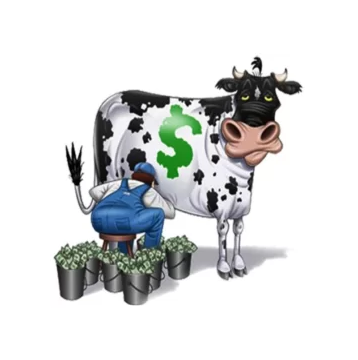
Many Americans assume they fully own their e-books, digital movies, video games, smart devices, and streaming libraries, but experts say most purchases actually grant limited access through licenses and subscriptions. As companies increasingly control digital content through terms of service and cloud platforms, consumers are learning that “Buy Now” often does not mean permanent ownership. Shutterstock

Buying something usually feels simple. Money changes hands, a receipt lands in an inbox, and the item becomes part of everyday life. Most people never stop to wonder whether they truly own what they just purchased because ownership seems like a straightforward concept.

The reality often looks very different. Companies increasingly sell access, licenses, memberships, and limited-use rights instead of traditional ownership. Fine print, user agreements, and terms of service frequently contain restrictions that surprise consumers when problems arise. Here’s a look at 10 everyday things that many people assume they own, but they actually might not…

1. E-Books Purchased Online

Many readers believe buying an e-book works exactly like buying a printed book. After all, the title appears in a personal library, remains accessible for years, and costs nearly as much as a physical copy. The purchase feels permanent and complete. Most people naturally assume ownership transfers with payment.

In reality, many digital bookstores grant a license to access the content rather than full ownership. Companies can remove titles due to licensing disputes, publisher agreements, or platform changes. While such removals remain relatively uncommon, they have happened before and sparked significant consumer backlash. A printed book sitting on a shelf cannot vanish because of a contract dispute, but a digital version sometimes can.

2. Movies and TV Shows Bought Digitally

The “Buy Now” button creates a powerful impression of ownership. Consumers often spend hundreds or even thousands of dollars building digital movie collections. Those libraries can feel just as personal as shelves full of DVDs and Blu-rays. Many people expect lifetime access after making the purchase.

The fine print frequently tells a different story. Most digital media purchases provide a license to view content through a specific platform. If licensing rights change or a service shuts down, access can become limited or disappear entirely. That possibility has prompted some consumers to maintain physical media collections despite the convenience of streaming and digital downloads.

3. Software Installed on Personal Computers

A software purchase once meant buying a boxed product and using it indefinitely. Older consumers may remember stacks of installation discs sitting near desktop computers. Ownership felt tangible because the software physically existed in the buyer’s possession. The transaction seemed complete after installation.

Modern software often operates under licensing agreements instead. Users typically purchase permission to use the software under specific conditions. Some licenses restrict transfers, modifications, or continued use after subscription expiration. Even expensive professional software frequently remains the property of the developer, not the customer who paid for access.

4. Video Games Purchased Digitally

Gamers spend billions each year on digital downloads. Once a game appears in a personal library, many players assume it belongs to them forever. The purchase process mirrors traditional ownership, making that assumption understandable. Digital storefronts reinforce the feeling through permanent account libraries and purchase histories.

However, most game publishers sell licenses rather than ownership rights. Account bans, platform closures, and licensing disputes can sometimes affect access. Online-only games present additional complications because servers ultimately control gameplay availability. A favorite game can become unplayable even when consumers paid full retail price.

10 Everyday Things Most Americans Think They Own—Until They Read the Fine Print
From airline miles to smart car features, modern consumers are discovering that many products and services come with hidden restrictions that limit true ownership. Legal experts say understanding licenses, subscriptions, and platform agreements has become more important than ever in today’s digital economy. Shutterstock

5. Smart Home Devices

Smart thermostats, cameras, speakers, and doorbells fill homes across America. Consumers understandably believe they own these devices because they purchased the physical hardware. The products sit in their homes and connect to their personal networks. Ownership seems obvious.

The hidden complication often involves software and cloud services. Many smart devices rely on company-operated servers to function fully. If a manufacturer discontinues support, shuts down services, or changes subscription requirements, key features may disappear. The device remains physically present, but the experience consumers originally purchased may change dramatically.

6. Social Media Accounts

Years of photos, posts, videos, and personal memories create a strong sense of ownership. People invest enormous amounts of time building audiences and preserving milestones on social media platforms. Many view these accounts as personal property. Losing access can feel like losing a part of life itself.

Platform agreements generally say otherwise. Social media companies retain significant authority over account access, content moderation, and platform rules. Users own much of the content they create, but they do not own the platform account in the traditional sense. Violations of platform policies can result in restrictions or account removal, regardless of how much content exists within the account.

7. Airline Miles and Loyalty Points

Frequent travelers often treat miles and reward points like money in the bank. Balances accumulate over the years and can represent substantial value. Many consumers carefully track these rewards and build travel plans around them. The points feel earned and owned.

Airlines and loyalty programs usually reserve broad rights to modify program terms. Companies can change redemption values, expiration policies, and reward structures. In some cases, programs have devalued points overnight, reducing purchasing power significantly. That flexibility exists because loyalty points generally function as contractual benefits rather than traditional property.

8. Subscription-Based Vehicle Features

The automotive industry continues experimenting with subscription-based features. Heated seats, advanced navigation systems, remote start capabilities, and premium software features increasingly rely on ongoing payments. Buyers may spend tens of thousands of dollars on a vehicle and assume every installed feature belongs to them permanently. That assumption doesn’t always hold true.

Some manufacturers separate physical hardware ownership from software-enabled functionality. The equipment may sit inside the vehicle, but activation depends on subscription agreements. Missing a payment or declining a service plan can limit access to features already present in the car. This trend has sparked heated debates among consumer advocates and automotive buyers.

9. Cloud-Stored Files

Cloud storage feels secure and permanent. Documents, photos, videos, and backups remain available across multiple devices with remarkable convenience. Many people treat cloud services as digital filing cabinets that they fully control. The arrangement appears simple on the surface.

Yet cloud providers establish rules governing storage limits, account activity, and acceptable use. Service disruptions, account issues, or policy violations can affect access. Reputable providers offer strong protections, but consumers still operate within contractual agreements rather than absolute ownership structures. Keeping local backups remains a smart strategy.

10. Music Streaming Libraries

Music lovers spend years curating playlists and building personalized collections. Thousands of songs become part of daily routines, workouts, road trips, and family gatherings. Those libraries often feel deeply personal and permanent. Many users view them as modern music collections.

Streaming services generally provide access rather than ownership. Songs can disappear when licensing agreements expire, or artists remove content. Entire albums occasionally vanish from catalogs with little warning. The playlist may remain intact, but some tracks can suddenly become unavailable despite years of listening history.

The Fine Print Matters More Than Ever

Ownership looks very different in today’s digital economy than it did a generation ago. Many purchases now involve licenses, subscriptions, service agreements, and ongoing access rights instead of outright ownership. That shift doesn’t automatically make these products bad deals, but it does make informed decision-making more important than ever.

Consumers who read terms carefully, maintain backups, diversify digital purchases, and understand licensing agreements often avoid unpleasant surprises down the road. The next time a purchase button says “Buy,” it may be worth taking a closer look at what that word actually means.

What everyday product or service surprised you when you discovered you didn’t fully own it? Share your experience in the comments below.

You May Also Like…

5 Everyday Expenses Americans Say Feel Noticeably Higher Than They Did a Year Ago

7 Tech Devices That Cost More Than They’re Worth

5 Ways Technology Can Help You Through The Next Recession

Why Are Veterinarians Charging “Technology Fees” on Routine Visits?

Why More Retail Stores Are Locking Up These 6 Everyday Items

The post 10 Everyday Things Most Americans Think They Own—Until They Read the Fine Print appeared first on Everybody Loves Your Money.

Sign up to read this article
Read news from 100's of titles, curated specifically for you.
Already a member? Sign in here
Related Stories
Top stories on inkl right now
Our Picks
Fourteen days free
Download the app
One app. One membership.
100+ trusted global sources.