Staying healthy doesn't require complicated routines or expensive programs. The World Health Organization highlights simple, everyday habits that make a real difference over time.
These include no smoking, less alcohol, a healthy diet, daily movement, enough sleep, manage stress, social connection, vaccines, checkups, and handwashing. When translated into normal language, these recommendations become practical actions that anyone can follow.

1. Don't Smoke (or Quit If You Can)
No smoking remains one of the most important steps for long-term health. Smoking is linked to a wide range of diseases, including heart disease, lung conditions, and cancer. Avoiding it or quitting can quickly improve overall well-being.
Even small changes matter. People who stop smoking often notice better breathing, improved circulation, and more energy within weeks. Over time, the risk of serious illness drops significantly.
-
What Happens to Your Body When You Stop Smoking?
The body begins to heal almost immediately. Within days, oxygen levels improve, and within months, lung function starts to recover.
-
Is It Ever Too Late to Quit Smoking?
It's never too late. Quitting at any age reduces health risks and can add years to life expectancy.
2. Drink Less Alcohol
Choosing less alcohol supports better physical and mental health. While occasional drinking may be part of social life, frequent or excessive intake can affect the liver, sleep quality, and mood.
Reducing alcohol doesn't have to be drastic. Simple steps like alcohol-free days during the week or smaller portions can make a difference.
-
How Much Alcohol Is Considered Safe?
Guidelines vary, but moderation is key. Many health experts recommend limiting intake to occasional, low amounts.
-
What Are the Benefits of Reducing Alcohol Intake?
People often experience better sleep, improved focus, and a lower risk of chronic diseases.
3. Eat a Healthy, Balanced Diet
A healthy diet doesn't mean strict restrictions. It focuses on balance, variety, and whole foods. Meals rich in vegetables, fruits, whole grains, and lean proteins support overall health.
Cutting back on highly processed foods, added sugars, and excessive salt can help maintain a healthy weight and reduce disease risk.
-
What Is the Healthiest Diet According to Experts?
There's no one-size-fits-all plan, but diets centered on whole, minimally processed foods are widely recommended.
-
How Can You Start Eating Healthier Every Day?
Simple changes work best, like adding more vegetables to meals or choosing water over sugary drinks.
4. Move Your Body Daily
Daily movement is essential, even outside structured workouts. Regular physical activity helps maintain heart health, improves mood, and boosts energy levels. Movement can be simple. Walking, stretching, or doing household chores all count toward staying active.
-
How Much Exercise Do You Really Need per Day?
Many guidelines suggest at least 30 minutes of moderate activity most days of the week.
-
Does Walking Count as Daily Movement?
Yes. Walking is one of the easiest and most effective forms of exercise.
5. Get Enough Sleep
Enough sleep is often overlooked but plays a key role in recovery and mental clarity. Poor sleep can affect mood, focus, and immune function. Consistent sleep schedules and a relaxing bedtime routine can improve sleep quality, according to the World Health Organization.
-
How Many Hours of Sleep Do Adults Need?
Most adults need 7 to 9 hours of sleep each night.
-
What Happens If You Don't Get Enough Sleep?
Chronic sleep deprivation can increase the risk of health issues like heart disease and weakened immunity.
6. Manage Stress in Simple Ways
To manage stress effectively, it helps to focus on small, consistent habits. Stress is part of daily life, but unmanaged stress can affect both mental and physical health. Relaxation techniques, breaks from screens, and time outdoors can all help reduce stress levels.
-
What Are Quick Ways to Reduce Stress?
Deep breathing, short walks, and listening to music can quickly calm the mind.
-
How Does Stress Affect Your Health?
Long-term stress can lead to fatigue, anxiety, and an increased risk of chronic conditions.
7. Stay Socially Connected
Social connection supports emotional well-being and even physical health. Staying connected with friends, family, or community helps reduce feelings of isolation. Even simple interactions, such as a quick message or a short conversation, can have a positive impact, according to the Centers for Disease Control and Prevention.
-
Why Is Social Connection Important for Health?
Strong relationships are linked to lower stress levels and longer life expectancy.
-
Can Loneliness Affect Physical Health?
Yes. Loneliness has been associated with higher risks of heart disease and depression.
8. Keep Up With Vaccines
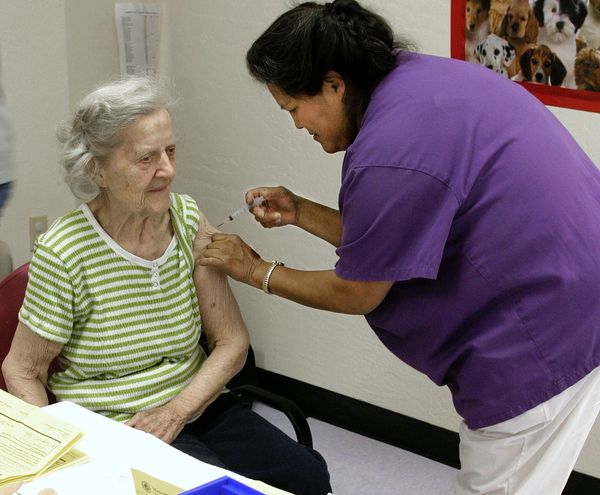
Vaccines are a key part of preventive care. They protect not only individuals but also communities from serious diseases. Staying up to date with recommended vaccines helps reduce the spread of infections.
-
What Vaccines Do Adults Need Regularly?
Common examples include flu shots, COVID-19 vaccines, and boosters, depending on age and health status.
-
Are Vaccines Necessary for Healthy Adults?
Yes. Vaccines help prevent illness even in otherwise healthy individuals.
9. Go for Regular Checkups
Routine checkups help detect potential health issues early. Regular visits to healthcare providers help monitor important indicators, such as blood pressure and cholesterol. Preventive care often leads to better outcomes and simpler treatments.
-
How Often Should You Get a Health Checkup?
Many adults benefit from annual checkups, though frequency may vary.
-
What Tests Are Included in a Routine Checkup?
Common tests include blood work, physical exams, and screenings based on age and risk factors.
10. Wash Your Hands Properly
Handwashing remains one of the simplest yet most effective ways to prevent illness. It reduces the spread of germs and protects against infections. Proper handwashing involves soap, water, and at least 20 seconds of cleaning.
-
How Often Should You Wash Your Hands?
Before eating, after using the restroom, and after touching shared surfaces.
-
What Is the Proper Way to Wash Hands?
Use soap, scrub all parts of the hands thoroughly, rinse, and dry with a clean towel.
Everyday Actions WHO Recommends for Better Health
Following WHO guidance doesn't require drastic changes. The core ideas, no smoking, less alcohol, a healthy diet, daily movement, enough sleep, managing stress, social connection, vaccines, checkups, and handwashing, are all practical and achievable.
When these habits become part of everyday life, they build a strong foundation for long-term well-being. Small, consistent actions often have the greatest impact, making these everyday actions recommended by the WHO for better health both realistic and effective.
Frequently Asked Questions
1. Can small daily habits really improve long-term health?
Yes. Consistent small actions, such as daily movement and sufficient sleep, can significantly lower the risk of chronic diseases over time.
2. How long does it take to see results from healthier habits?
Some benefits, like better energy and sleep, can appear within days, while others, like reduced disease risk, develop over months or years.
3. Do you need to follow all WHO recommendations at once?
No. Starting with one or two habits, such as a healthy diet or reducing alcohol intake, is more sustainable and still beneficial.
4. Are these health recommendations the same for all ages?
The core principles apply broadly, but specific needs, like vaccines or checkups, may vary depending on age and individual health conditions.