
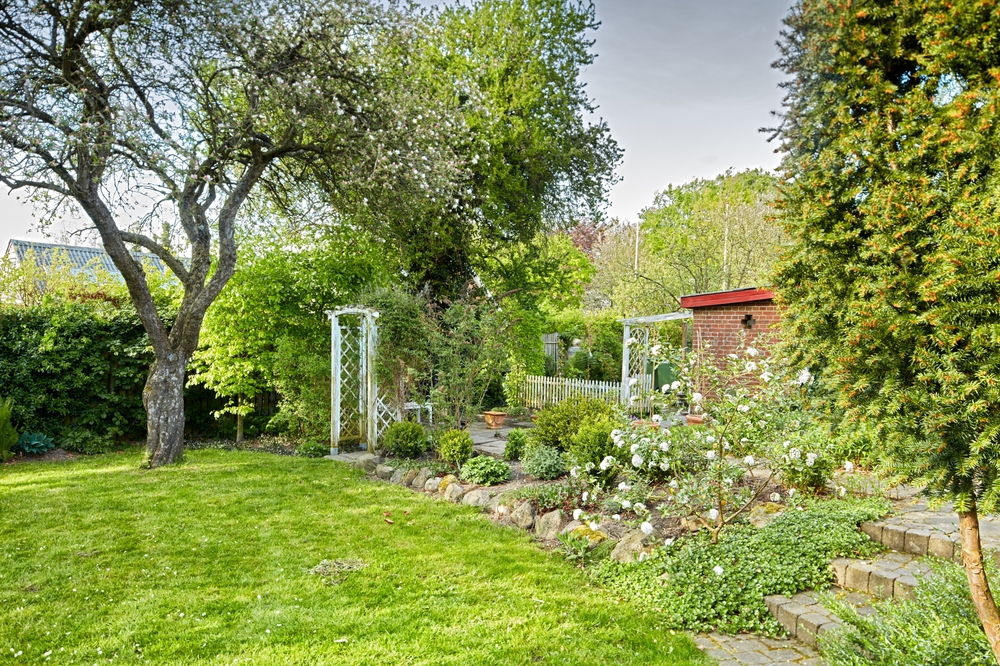
Winter nights can feel downright ruthless to gardeners. One minute your plants are thriving, and the next, a surprise freeze rolls in like an uninvited guest who eats all the snacks. Yet while frost paints lawns silver and thermometers plummet, some corners of your yard stay surprisingly cozy. These hidden pockets of warmth can mean the difference between limp leaves and plants that wake up smiling the next morning.
Knowing where these microclimates live turns you from a hopeful gardener into a cold-weather wizard. Grab a mug of something warm, because your backyard is holding secrets that might just save your plants.

1. South-Facing Walls
South-facing walls are the rock stars of winter survival. They soak up sunlight all day long, absorbing heat like a giant thermal battery. When night falls, that stored warmth slowly radiates back out, creating a buffer against freezing temperatures. Plants tucked close to these walls often experience several degrees more warmth than those out in the open. Brick, stone, and concrete are especially effective because they hold heat so well. This is why tender herbs, figs, or roses often thrive when planted near a sunny wall.
2. Near The Foundation Of Your House
The foundation of your home is quietly working overtime during cold spells. Heat leaks from the house itself, warming the surrounding soil just enough to make a difference. Snow often melts faster here, which is a visual clue that the ground is warmer. Plants near foundations are also shielded from harsh winds, which can be more damaging than cold alone. This combination of warmth and protection creates a reliable refuge on icy nights. It’s a prime spot for borderline-hardy perennials and shrubs.
3. Under Evergreen Trees
Evergreen trees act like nature’s winter umbrellas. Their dense needles trap heat rising from the ground and reduce heat loss overnight. They also block frost from settling directly on plants below, which can prevent leaf damage. The ground beneath evergreens often stays a few degrees warmer than exposed areas. While sunlight is limited, shade-loving or winter-hardy plants appreciate this sheltered environment. It’s a quiet, underrated warm zone many gardeners overlook.
4. Against Stone Or Brick Fences
Stone and brick fences do more than mark boundaries. Like walls, they absorb daytime heat and release it slowly after sunset. Plants growing along these structures benefit from both radiant warmth and wind protection. Even a small temperature boost can prevent frost from forming on leaves. These fences also create a stable microclimate where temperature swings are less dramatic. It’s an ideal place for climbing plants or espaliered fruit trees.
5. In Raised Beds
Raised beds might seem exposed, but they often stay warmer than ground-level soil. The soil drains better, which prevents cold, soggy conditions that damage roots. During the day, the sides of the bed absorb heat from the sun. At night, that warmth lingers just long enough to help plants through. Wood, stone, or metal beds each retain heat differently, but all offer an edge over flat ground. Gardeners in cold climates swear by raised beds for extending the season.

6. Near Large Boulders Or Rocks
A big rock in your yard isn’t just decoration. Boulders absorb solar heat throughout the day and act as slow-release heaters after dark. Plants nestled nearby enjoy warmer air and soil temperatures. Rocks also deflect cold winds, creating a calmer environment. This setup mimics alpine gardening techniques used in harsh mountain climates. Even small stones clustered together can create noticeable warmth on frigid nights.
7. In Wind-Protected Corners
Wind is a plant’s worst winter enemy. It strips away heat and accelerates freezing damage. Corners formed by fences, sheds, or hedges block airflow and trap warmer air. These pockets often feel noticeably calmer and slightly warmer when you step into them. Plants here lose less moisture and experience less stress. Choosing these sheltered spots can dramatically improve winter survival rates.
8. Along Paved Paths Or Patios
Concrete, stone, and pavers soak up heat during sunny days. As temperatures drop, they release that warmth into the surrounding air. Plants growing along patios or walkways benefit from this gentle heat boost. Snow and frost often melt faster near paved surfaces, offering visual proof of the warmth. These areas also tend to be drier, which helps roots avoid cold-related rot. It’s a sneaky-smart place for cold-sensitive plants.
9. Beneath Overhangs And Eaves
Roof overhangs create a surprisingly friendly winter zone. They limit frost settling directly on plants and keep soil slightly drier. Heat escaping from the house can also drift into these areas. While rainfall is reduced, careful watering keeps plants happy. This spot works well for containers or plants that dislike winter sogginess. It’s a cozy nook hiding in plain sight.
10. In Densely Planted Areas
Plants grouped closely together create their own little heat network. They trap warmth, reduce wind exposure, and slow heat loss from the soil. Dense plantings also retain moisture more evenly, which stabilizes soil temperature. This is why wild plants often survive winters better than isolated garden specimens. Strategic grouping can significantly improve cold tolerance. It’s teamwork at its finest, garden-style.
Turning Cold Nights Into Garden Wins
Cold nights don’t have to spell disaster for your plants. By understanding and using the warm spots already hiding in your yard, you can help even tender plants make it through winter with confidence. These microclimates turn ordinary backyards into strategic landscapes full of opportunity.
Every garden tells a different story, shaped by walls, trees, and terrain. We’d love to hear what warm spots you’ve discovered and which plants thrived there in the comments section below.
You May Also Like…
8 Backyard Birds You Can Attract Without Creating a Pest Problem
8 Backyard Fruits No One Knows You Can Grow in Small Spaces
Do You Know Which Plants Are Secretly Poisonous in Your Backyard?
9 Shrubs That Look Better in Winter Than in Summer
7 Winter Mulches That Actually Warm Soil Instead of Chilling It
The post 10 Backyard “Warm Spots” Where Plants Survive the Coldest Nights appeared first on Frugal Gardening.