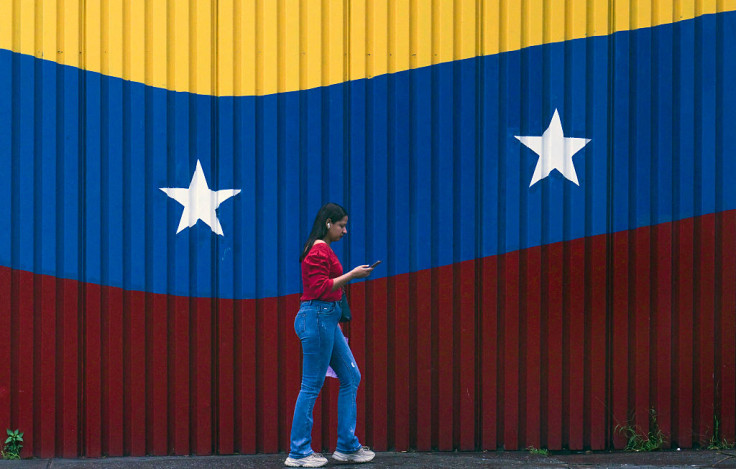
More than one in three Venezuelan migrants in Latin America are considering returning to their home country if conditions improve, according to a new report by the United Nations High Commissioner for Refugees (UNHCR), underscoring how the prospect of return remains largely conditional despite ongoing displacement across the region.
The report, based on surveys conducted between late January and early March 2026 in six countries, found that 35% of Venezuelan refugees and migrants in Ecuador, Peru, Colombia, Brazil, Chile and Guatemala say they are open to returning. However, only 9% plan to do so within the next year, indicating that return remains more aspirational than immediate.

The findings from UNHCR come as nearly 6.9 million Venezuelans continue to live abroad in Latin America and the Caribbean, with at least 4 million in need of humanitarian assistance. While interest in returning exists, most respondents said they prefer to remain in their host countries due to access to employment, healthcare and greater stability.
Family reunification emerged as the primary motivation among those considering return. At the same time, concerns about insecurity and lack of job opportunities were cited as the main barriers, each identified by 22% of respondents. The report also found that 58% expressed fear about returning, citing safety concerns and inadequate living conditions.
Respondents indicated that any decision to return would depend on structural changes in Venezuela. Among the key conditions cited were economic recovery (85%), political stability and inflation control (83%), improvements in public services (82%) and enhanced security (78%). These findings suggest that return is closely tied to broader national developments rather than short-term changes.
A lack of reliable information further complicates decision-making. About 60% of respondents said they do not have sufficient information to assess the feasibility of returning, relying instead on informal networks such as family and friends.
These findings align with recent data from the Venezuelan Diaspora Observatory, which shows that while many migrants express a desire to return, only a small share plans to do so in the near term. In that study, surveys indicated that fewer than 12% intend to return soon, while a much larger portion would only consider it if conditions improve significantly.
Researchers note that for many migrants, returning would effectively mean undertaking "another migration," requiring them to abandon established jobs, families and social networks built abroad.
Venezuela's ability to attract returnees is particularly uncertain in key sectors which face structural challenges such as the oil industry, where years of economic decline have pushed engineers and technicians to relocate abroad. Recruiters recently consulted by Bloomberg warn that even if investment returns, "there won't be enough talent in Venezuela for all the demand," underscoring a mismatch between the country's recovery needs and migrants' conditions for return.
© 2025 Latin Times. All rights reserved. Do not reproduce without permission.