Three more members of the Iranian women’s football delegation have changed their minds and decided to leave Australia after initially being granted asylum there.
Iranian state media has gloated over their decision, describing it as a victory against “psychological warfare”, but there are mounting reports that the team has faced huge pressure from the authorities back home.
The team drew international attention when they refused to sing the Iranian national anthem during an AFC Women’s Asian Cup tournament match on 2 March, just days after US-Israeli strikes had killed Iran’s supreme leader Ayatollah Ali Khamenei.
There had been concerns that the players or their families could face harm back in Tehran over their apparent display of defiance, and the Australian government offered them all individually the chance to apply for asylum with the tournament hosts.
Seven players and staff members ended up accepting, before one quickly withdrew her application and left the country. It has been reported that Zahra Soltan Meshkehkar, the member of the team’s technical staff who first changed her mind, had been passing messages from the Iranian football authorities to players in an attempt to persuade them to abandon their asylum plans.
The two footballers who have joined her in changing their minds were identified as Mona Hamoudi and Zahra Sarbali.
Iran’s state-run Tasnim news agency said the three players were “returning to the warm embrace of their families and homeland after withdrawing their asylum application in Australia”.
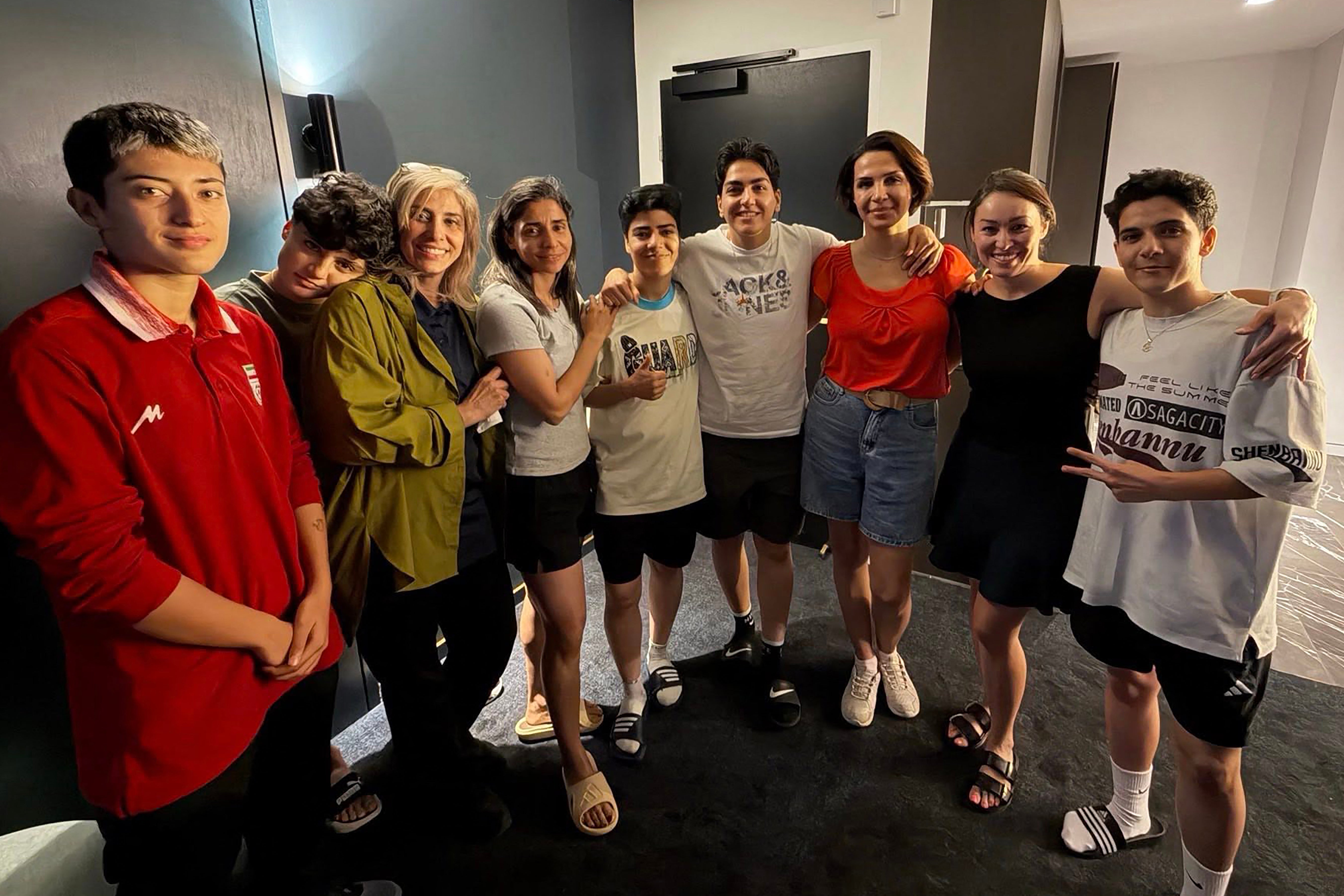
Australia’s home affairs minister Tony Burke said that the government had done everything in its power to ensure the women’s safety and give them a real chance at a freer future in the country.
“Australians should be proud that it was in our country that these women experienced a nation presenting them with genuine choices, and interacted with authorities seeking to help them,” Mr Burke said in a statement. “While the Australian government can ensure that opportunities are provided and communicated, we cannot remove the context in which the players are making these incredibly difficult decisions.”
Tasnim claimed that the players had resisted “psychological warfare, extensive propaganda and seductive offers”.

A statement said that “the national spirit and patriotism of the Iranian women’s national football team defeated the enemy’s plans against this team”, while also accusing the Australian government of “playing in Trump’s field”.
It means that only three of the original seven players and staff remain as defectors in Australia.
The Iran International TV network reported that the rest of the squad were in a hotel in Kuala Lumpur and being kept under tight supervision, with journalists and outside visitors barred from entering.
Several players have had their mobile phones confiscated, and those who were allowed to keep them could only do so under the supervision of security personnel linked to the Iranian Football Federation.
A total of 26 Iranian players and support staff flew to Australia for the tournament.
Pope Leo demands Middle East ceasefire after deadly Iran school attack
Ukraine-Russia war: Zelensky warns Iran war could threaten Kyiv’s ability to fight
AP finds an Israeli group discreetly organized the mystery flights evacuating Palestinians from Gaza
Australia moves to freeze visas for Iranians after granting asylum to footballers
Australian teens still accessing TikTok despite social media ban
Bodies of Chinese tourists found trapped inside car in Queensland floods