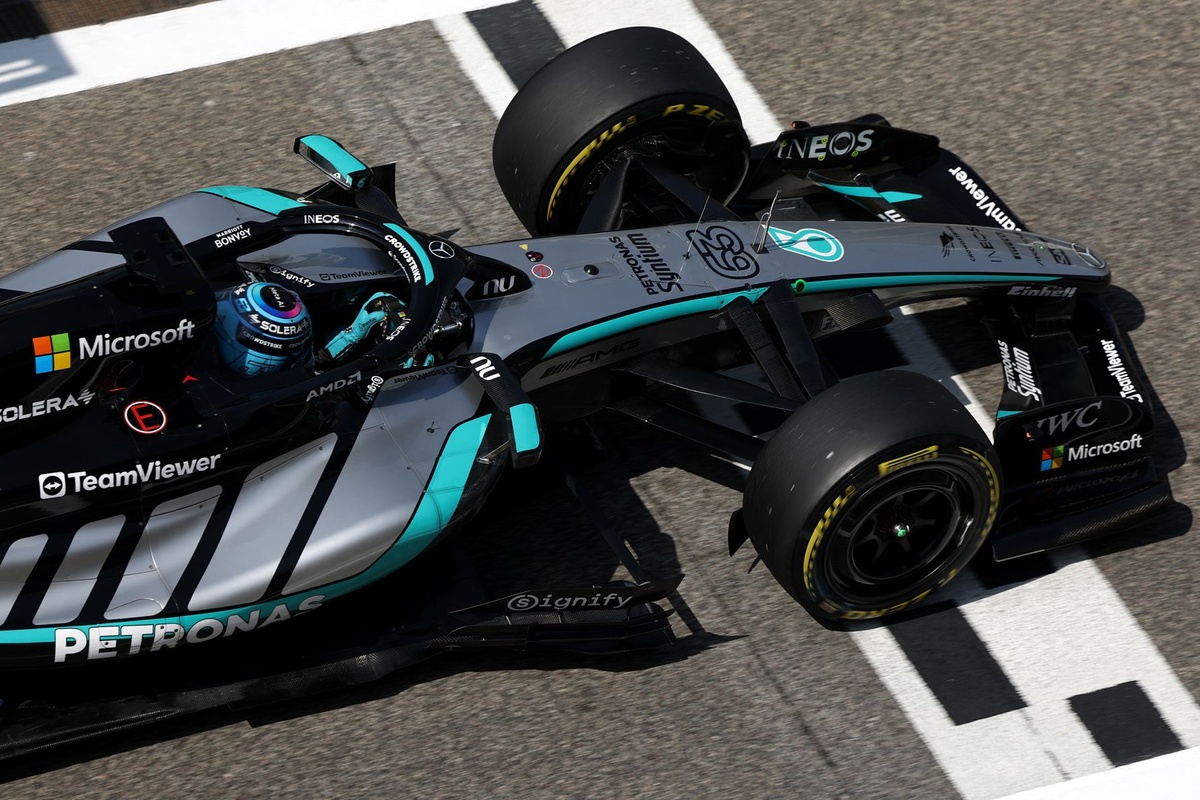
Petronas is engaged in a race against time to obtain certification and homologation for the sustainable fuel that Mercedes-powered teams will use in the 2026 Formula 1 campaign.
Until last year, fossil fuels were tested and certified in a British laboratory affiliated with the FIA. Manufacturers simply had to send a sample to receive confirmation of compliance with technical regulations from the governing body - a relatively simple procedure that took a maximum of two or three weeks.
With the introduction of sustainable fuels for this year's regulation change, the homologation process has become more complex. The FIA has delegated certification to an external body, British company Zemo, which is responsible not only for analysing the final product but also for verifying the entire production process.
Starting this year, the entire supply chain is subject to controls: the certification body's staff visits the production facilities directly to ensure that each stage complies with the criteria established by FIA regulations. The certifications of individual molecules and any partners involved in the supply chain are also examined.
This is a complex and inevitably lengthy procedure. Especially in the first season of application of the new system, delays in obtaining certifications, even from partner companies, cannot be ruled out. FIA regulations are particularly strict, the adoption of sustainable fuel is one of the pillars of the new 2026 regulations, and the federation intends to perform rigorous checks.
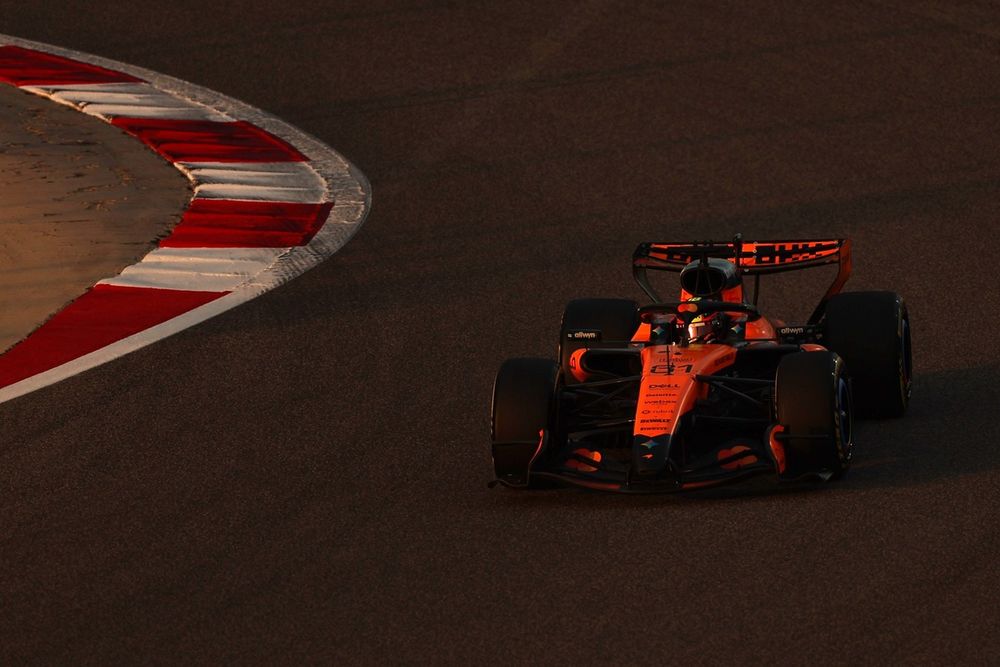
At the moment, there are no official communications from the parties involved. Come the Melbourne season opener (6-8 March), the possibility of the eight Petronas-powered cars unable to take to the track due to a lack of fuel is unlikely. However, if the final blend is not approved in time for the Australian Grand Prix, Mercedes, McLaren, Williams, and Alpine may be forced to use a "provisional" fuel.
If, for example, certification for a specific component is missing, the regulations allow racing with a blend that does not contain that substance and is composed exclusively of previously approved elements, but it is impossible to know today what Petronas' strategy might be if approval from the certifying bodies does not arrive in time.