Last November, Jose Argueta of Maryland reported his car stolen to Washington, D.C., police.
The following month, he thought he was getting good news. A call from someone claiming to be with the police informed him his car had been found and asked him to pick it up at a station in northeast D.C.
Upon arrival, he was put in handcuffs by a group of officers, including one with the word “ICE” on his shirt, Argueta, 37, alleges in a lawsuit obtained by The Washington Post.
“They tricked me into coming to the station to arrest me,” he told the paper. “I was just trying to get my car back, but it was all a lie.”
Argueta was then put in the immigration detention system and held over Christmas until he was released on bond in January.
The allegations raise questions about the extent of cooperation between federal officials and the Washington Metropolitan Police Department, which is regulated by a local sanctuary city policy known as the Sanctuary Values Amendment Act.
During a city council meeting on Wednesday, lawmakers questioned D.C. Interim Police Chief Jeffrey Carroll about the alleged arrest.
"We're not working with ICE removal operations," Carroll said, adding that officers follow the sanctuary law and do not share information once someone is in custody.
"How did ICE know, but for you all?" council member Christina Henderson asked.
The chief said he needed to investigate the man’s allegations about his arrest.
The Independent has contacted the police department and the U.S. Department of Homeland Security for comment.
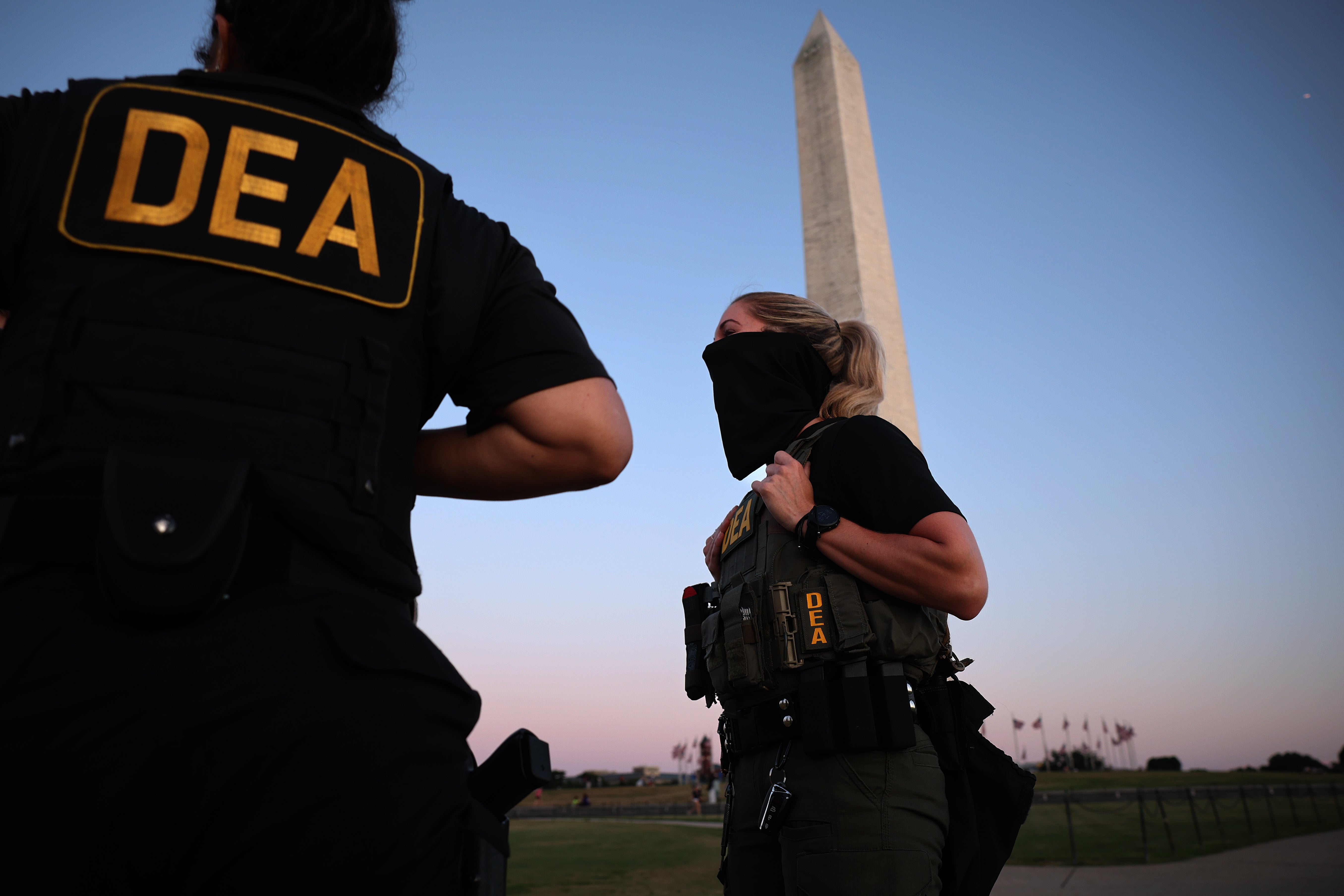
Federal officials and local police regularly cooperate in the capital.
The Trump administration has pushed this relationship to new extremes, temporarily taking control of local police and surging federal agents in response to a crime emergency he declared in Washington.
The emergency has expired, but federal agents remain active in the capital.
Residents have raised questions about the use of force by such agents, including the family of Julian Bailey, 43, who was killed by U.S. Marshals earlier this month.
Bailey was killed on February 11, as law enforcement responded to reports of someone making threats with a gun. No D.C. police were present at the scene when the Marshal fired his weapon.
"You guys can go to sleep at night, and I can't,” his wife, Trenise Wells-Bailey, said during Wednesday’s council meeting. “I am tired, but I can't sleep because my husband is not there with me.”
In October, meanwhile, a federal agent allegedly shot an unarmed man during a traffic stop while working alongside D.C. police.
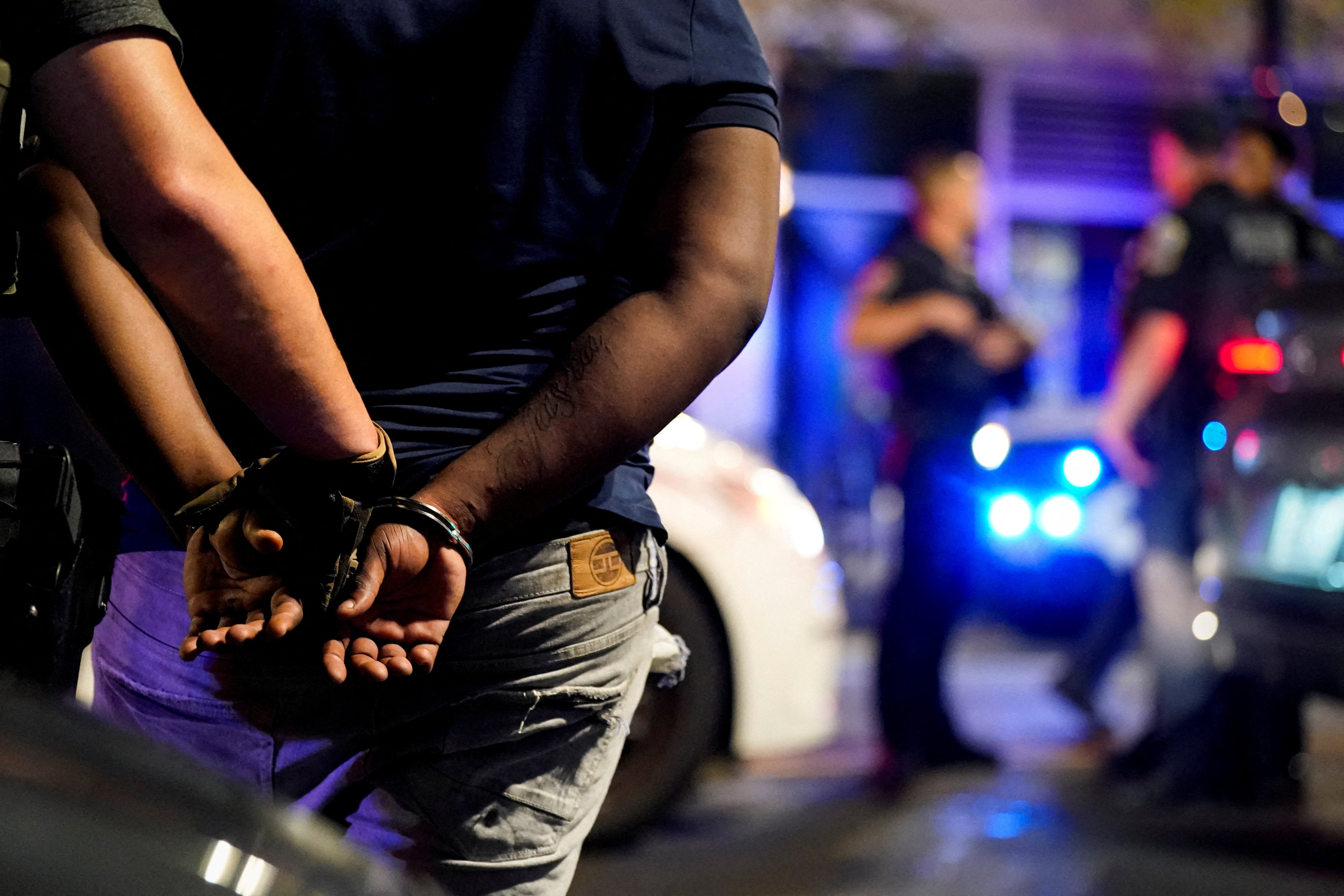
Federal agents have been accused of resorting to deceptive tactics and boundary-pushing legal strategies to carry out immigration arrests.
On Thursday, Homeland Security agents allegedly “misrepresented” themselves and claimed to be searching for a missing person to enter a campus apartment and arrest a student at Columbia University in New York.
Earlier this month in Minnesota, agents allegedly faked having car trouble to lure a man out of his home and arrest him.
Under the Trump administration, agents have also ramped up arrests when immigrants are arriving for legal check-ins with authorities, appointments that had previously allowed them to remain in the country as their cases worked their way through the system.
Agents are also accused of carrying out warrantless arrests across the country.
Immigration officials claim they have the authority to enter private residences without a judicial warrant, according to an internal memo obtained in January by the Associated Press.
Trump presents list of U.S. demands but Iran claims ‘significant progress’ in talks
Danish prime minister calls early election after Greenland spat with Trump
Cuba says troops killed 4 after an armed speedboat opened fire near the island
Federal judge hauls DOJ lawyers into court over ‘numerous unlawful violations’
Hillary Clinton grilled Epstein deposition ends after 6 hours: Live updates
ICE releases Columbia student hours after Mamdani urged Trump to set her free