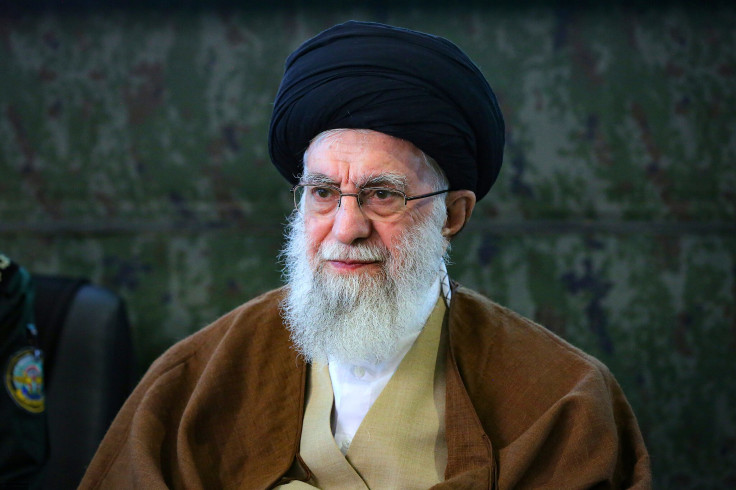
The death of Ayatollah Ali Khamenei has been confirmed following a coordinated US-Israeli strike on a fortified command centre in Tehran, ending nearly four decades of rule over the Islamic Republic. A senior Israeli official confirmed that Khamenei's body was recovered from a heavily fortified underground facility following the conclusion of the strike.
Tehran now faces an immediate question of succession, the most significant shift in Iranian internal affairs since the 1979 revolution. The absence of a clearly designated successor has raised fears of internal conflict within a state whose institutions were built around a single, supreme authority.
Ali Khamenei's Body Recovered
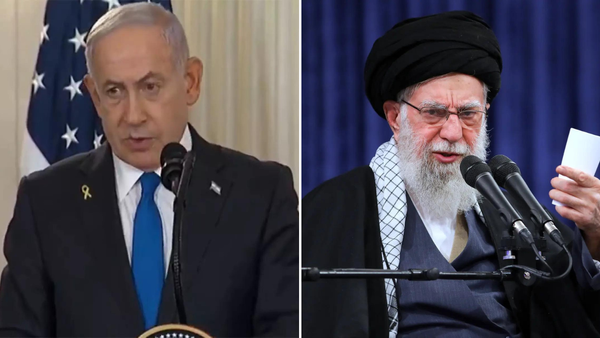
Israeli Prime Minister Benjamin Netanyahu had earlier suggested that the mission achieved its primary objectives. According to him, 'there are signs' that Khamenei is already dead. There were reports that the leader was 'hurt at the very least' during the attack.
'All indications show this tyrant is no longer with us,' Netanyahu said, per reports, following the US-Israeli airstrike on Saturday.
However, Iran's Foreign Ministry previously denied the claims about Khamenei's death. He said that the supreme leader and the president both survived.
'They are all safe and sound,' Esmail Baghaei told a news outlet.
However, a different news organisation later confirmed Khamenei's death. A senior Israeli official told the outlet that the body of Ali Khamenei was recovered from a heavily fortified underground facility following the conclusion of the strike.
The physical evidence found at the scene ended hours of frantic speculation regarding the cleric's whereabouts. The identification of the body marks the end of a long-standing pursuit by Western intelligence agencies, which viewed the Supreme Leader as the primary architect of regional instability.
US-Israel's Joint Strategic Operation
The decision to launch the joint operation followed a complete collapse in diplomatic negotiations regarding Iran's refusal to halt its nuclear programme. The United States and Israel acted in total military unison to dismantle the regime's command structure after intelligence suggested a breakthrough in Tehran's enrichment capabilities.
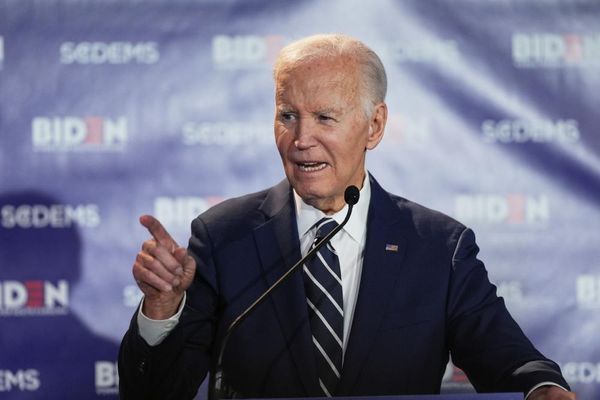
President Donald Trump characterised the mission as a necessary action to prevent nuclear catastrophe, maintaining his administration had offered every opportunity for a peaceful resolution. He urged the Iranian people to seize the moment. 'When we are finished, take over your government. It will be yours to take. This will be probably your only chance for generations,' Trump said. 'No president was willing to do what I am willing to do tonight. Now you have a president who is giving you what you want, so let's see how you respond.'
The Trump administration is now coordinating with international allies to manage the inevitable fallout following the attack, which Iran deemed unprovoked and unlawful.
Ali Khamenei's Iron Rule and Legacy
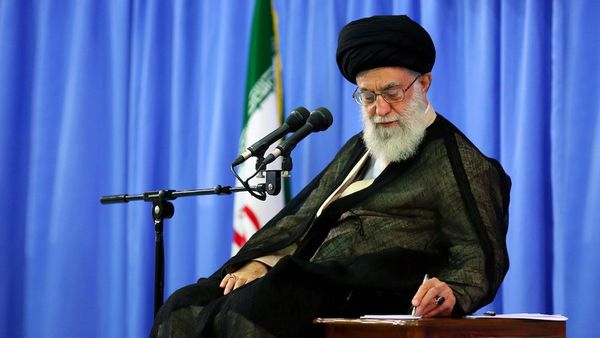
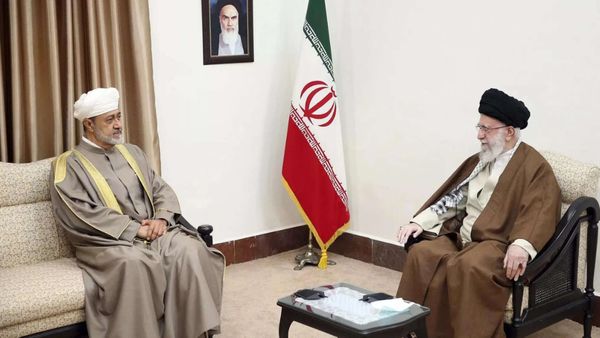
Khamenei assumed the role of supreme leader in 1989, succeeding the founder of the revolution, Ruhollah Khomeini, having served two terms as president from 1981 to 1989. Throughout his tenure, he consolidated power within the Revolutionary Guard and expanded Iran's regional influence across Iraq, Syria, and Lebanon.
The death of the 86-year-old leader leaves the Islamic Republic without a clearly designated successor, sparking fears of internal conflict. While his supporters viewed him as a holy guardian of the revolution, his critics saw him as a ruthless autocrat who brutally suppressed domestic calls for reform.
As the nation enters a formal period of mourning, the focus of the world now turns to the struggle for control that will inevitably follow after the supreme leader's demise.