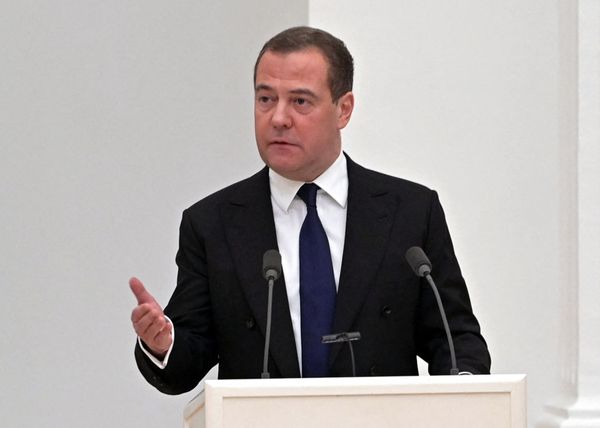
The EU is to release more than €16bn to Hungary that had been frozen under the rule of Viktor Orbán, with Ursula von der Leyen hailing the “winds of change” in the country since the election of Péter Magyar last month.
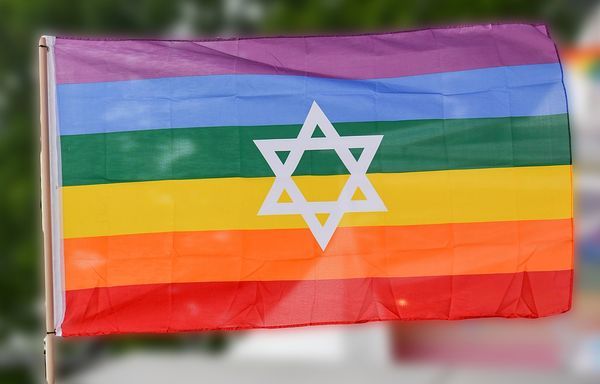
The decision, described as a “historic breakthrough” by the new prime minister, comes as police in Hungary have said they will allow next month’s Pride parade in Budapest to take place. Last year they sought to block the event on the orders of the government of the rightwing Orbán.
Last year’s march made headlines around the world after Orbán’s Fidesz party backed legislation – the first of its kind in the EU’s recent history – that created a legal basis for Pride events to be banned, citing a widely criticised need to protect children.
Since Magyar was elected in a landslide victory, setting off celebrations across the country as Hungarians marked the end of Orbán’s 16 years in power, the new leader has repeatedly voiced support for equality and freedom of assembly.
He has not, however, made any mention of Pride events, nor has his recently formed government moved to reverse Orbán’s legislation barring such events, leaving questions over the fate of this year’s events.
Von der Leyen said Magyar had already convinced the European Commission that the country was “turning the page”, and the money was being released for housing, transport, energy and small and medium enterprises, as well as societal supports under cohesion funds.
“We can already feel a strong wind of change across Hungary,” the president of the commission told a press conference. “In only a few weeks, you have driven forward long overdue reforms,” she told the conservative leader.
Magyar told reporters in Brussels that he agreed with von der Leyen on all the steps that would allow the funds to be released, and that Hungary would be able to pass all the laws needed. This implies that any compromising of the rights of LGBTQ people will be corrected by Magyar.
About €2.2bn of the funds being released are contingent on “academic freedom” being restored in Hungary’s universities, while another €500m is being held back until Hungary complies with last month’s ruling by the European court of justice over laws discriminating against the LGBTQ community.
The organisers of Budapest Pride notified police this week of their intention to hold the 31st edition of the march on 27 June. They said they had little doubt that the event would go ahead, particularly after the EU’s top court ruled that Orbán’s 2021 anti-LGBTQ+ law – which was amended last year to serve as a basis for banning Pride – was discriminatory, stigmatising and in breach of the bloc’s rules.
“After the extraordinary year of 2025, we trust in the cooperation of the authorities and their acceptance of the gathering,” Budapest Pride organisers said in a statement this week. “We warmly welcome everyone in June who took part in last year’s demonstration, as well as those who continue to believe in equal rights and a democratic Hungary and those who would like to once again celebrate the transition to democracy.”
Police said they had given the march the green light to go ahead. In a statement to the news agency AFP, they said: “During the notification process for the 2026 Pride parade and the subsequent in-person consultation with the organisers, no grounds for prohibiting the assembly arose.”
The statement said police had issued “prescriptive-restrictive decisions regarding three counter-demonstrations”, suggesting that those gatherings would also be allowed to take place but at a distance from the Pride parade.
Last year’s march, despite the ban, was attended by a record 200,000 people, according to its organisers, transforming the event into a potent symbol of defiance of Orbán and his government’s steady rollback of rights.
Orbán’s government had threatened to use facial recognition software to identify and potentially fine participants up to €500, but police later confirmed they would not take action against attenders.
Key to last year’s march was the progressive mayor of Budapest, Gergely Karácsony, who stepped in as a co-organiser, rebranding the event as a municipal cultural event in an attempt to sidestep Orbán’s legislation. Months later, he was charged with organising the banned parade, with prosecutors seeking to fine him.
Géza Buzás-Hábel, a Roma rights campaigner in Pécs, home to the only Pride march in Hungary outside the capital, also faces a fine for organising the fifth edition of the city’s parade last year.