A Senate committee voted Thursday to hold Anthony Fauci in contempt of Congress and send a criminal referral to the Justice Department, testing whether a witness's refusal to testify can be turned into a prosecution with consequences far beyond Covid-19.
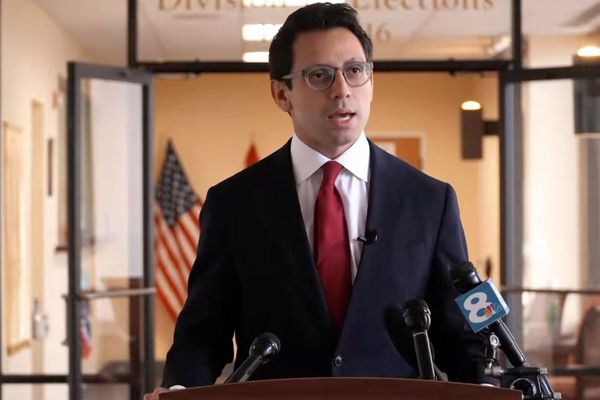
The Senate Homeland Security and Governmental Affairs Committee approved the resolution 8-7 along party lines, a week after Fauci invoked his Fifth Amendment right more than 100 times at a hearing on the US government's pandemic response. Chairman Rand Paul, a Kentucky Republican and longtime Fauci critic, said his office would hand-deliver the referral to the Attorney General and the US Attorney in Washington the same day.
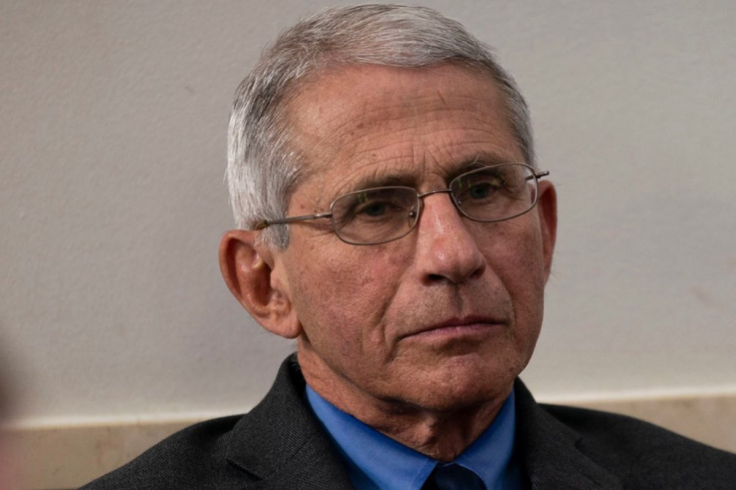
Fauci, who led the National Institute of Allergy and Infectious Diseases for nearly four decades and became the public face of the US pandemic response, refused to answer every question at last week's hearing. He accused Paul of an 'obvious obsession' with his prosecution.
Paul Skips the Senate Floor
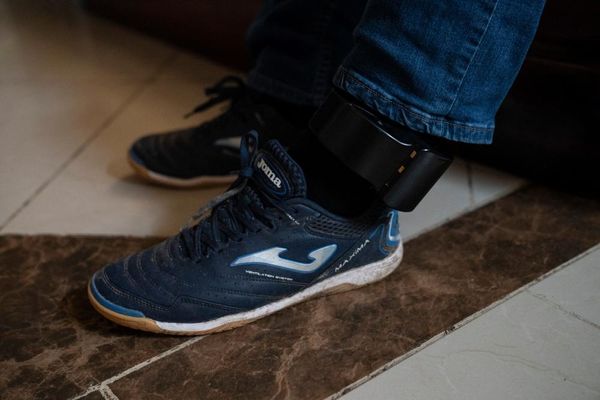
Paul is bypassing a full Senate vote, a shortcut he admits has thin precedent and one that could weaken any case. Under the resolution, Vice President JD Vance, in his role as president of the Senate, must sign off on circumventing the chamber's rules before the Justice Department decides whether to charge Fauci. Contempt of Congress can carry up to a year in prison.
Trump Keeps His Distance
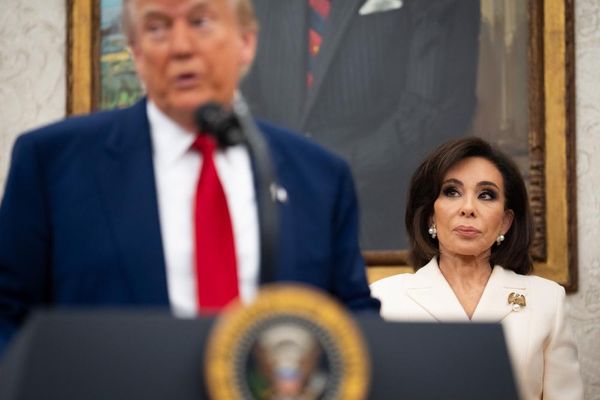
President Donald Trump has not joined the push. In recent weeks, he has stepped back from Fauci, saying he only briefly relied on the scientist's advice during the 2020 crisis, and he has stopped short of open calls for prosecution. Asked whether he would try to void Fauci's pardon, Trump said he respected it. 'He was pardoned by Biden, and I respect that,' he told reporters.
The Pardon Question
Biden pardoned Fauci in his final hours in office in January 2025, covering possible federal offences from 2014 through the day it was issued. Paul argues the clemency stripped Fauci of any Fifth Amendment claim because he can no longer face federal charges. Paul has also questioned whether the pardon is valid, pointing to reports it was signed by autopen rather than by Biden himself.
Fauci's lawyers say he had solid legal ground to stay silent, citing the risk of state prosecution that a federal pardon would not cover.
A Template for Both Parties
Legal analysts say the fight could outlast Fauci. His lawyer, David Schertler, called the vote a crude political stunt meant to punish a man for using his constitutional rights. Gary Peters of Michigan, the panel's top Democrat, warned it sets a damaging precedent and said future witnesses could refuse to appear at all rather than risk punishment.
The same tool could later be turned on Trump's own officials, who legal experts expect to receive similar pardons and face similar hearings. That is why the outcome matters to both parties, not just to Fauci.
Whether the Justice Department acts is unclear. Paul said he did not know if prosecutors would take up the referral, and one legal analyst said the case against Fauci's silence looked weak. What began as a Covid-19 grudge match may become a test of how far Congress can push a witness who chooses to stay quiet.